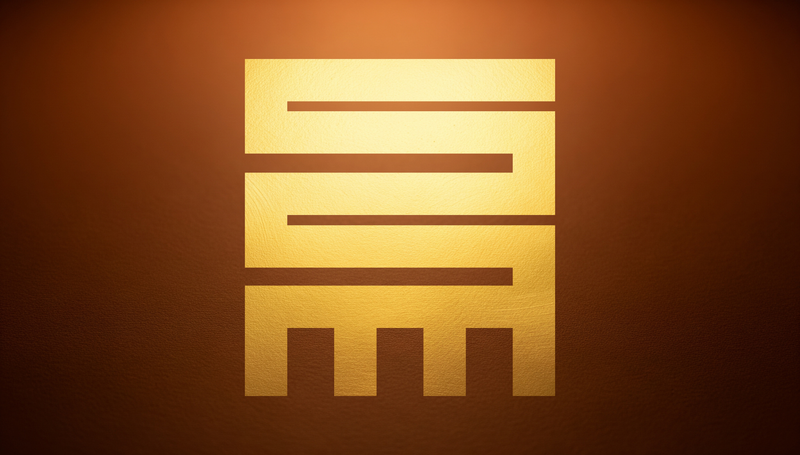
The road is twisted. This is the Akan observation — not a complaint, not a warning, but a plain statement offered as the basis for a practical instruction: if the road is twisted, learn to twist with it. Nkyinkyim is the symbol of that learning — the continuous, purposeful, unhurried turning that gets you where you are going by the path the road actually makes available. Adaptability not as the abandonment of purpose, but as its most intelligent expression.
Results for nkyinkyim


The crocodile lives in water yet it breathes air. Seven words in Twi that contain a complete philosophy of existence across difference. The Akan people of Ghana looked at the crocodile and saw not a monster but a model: the creature that masters two environments simultaneously, that belongs fully to both, that carries its essential nature with it wherever it goes. Denkyem is the symbol of that mastery — not adaptation as loss of self, but adaptation as its fullest expression.

The Akan had a symbol for the person who doesn't just survive change — but who is made more themselves by it.

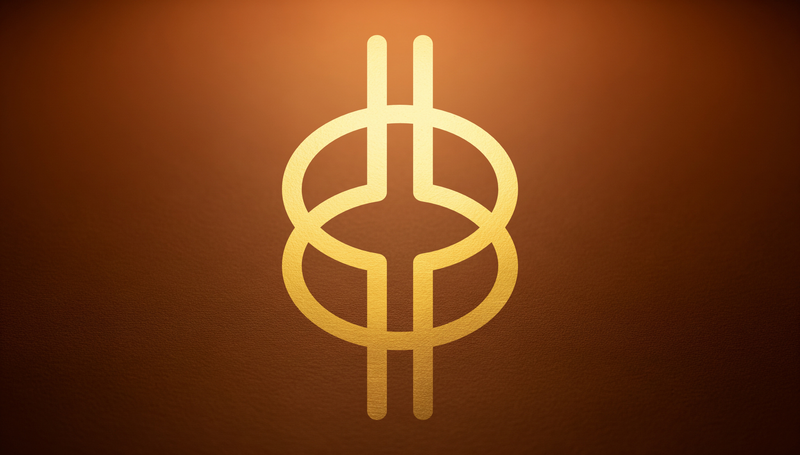
A wisdom knot is untied only by the wise. The Akan proverb is precise about this: not the clever, not the experienced, not the educated — the wise. And wisdom, as the Akan tradition understood it, is the specific capacity to take what you know and apply it well in the particular situation in front of you. Four qualities make it possible: knowledge, ingenuity, intelligence, and patience. The knot yields to all four working together. Pull with only one and it tightens.

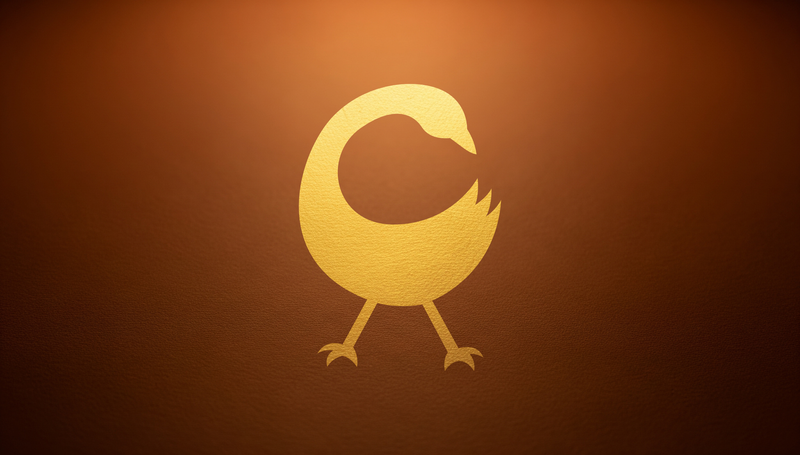
There is a word in Twi that names something most languages leave unnamed: the particular wisdom of going back for what you left behind. Sankofa — return and get it. The Akan people of Ghana built it into a symbol of a bird that flies forward while looking back, holding the future in its beak. It is not a symbol of regret. It is a symbol of wisdom precise enough to know that the past is a resource, not a weight.

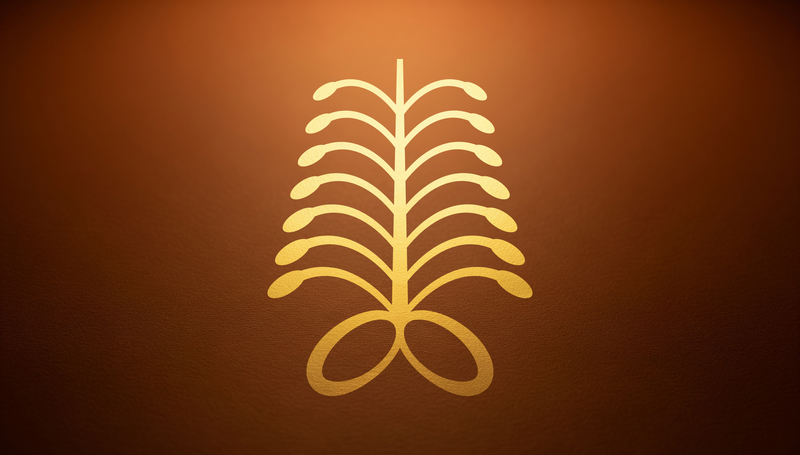
The fern does not grow where conditions are favourable. It grows where other plants have given up — in rock crevices, in deep shade, in the thin soil at the edge of things. The Akan people of Ghana looked at this and called it not luck but philosophy. Aya, the fern, is the symbol of endurance not as passive suffering but as active, rooted, unheroic persistence — the kind that requires no audience and produces no drama, and simply keeps growing regardless.

Among all the Adinkra symbols, one is the source of the others — the geometric logic from which the entire visual language is said to have grown. Three concentric circles. A single point at the centre, and influence radiating outward in perfect proportion. Adinkrahene: chief of the Adinkra symbols. Not the most elaborate. The most generative. The symbol that asks whether you are, in fact, a source.

Two crocodile heads. One stomach. Everything they swallow feeds both of them equally. They are still fighting. The Akan people of Ghana looked at this image and did not call it a failure. They called it the most honest picture of what human community actually is — shared destiny, and still competing — and they made it into a symbol. Not to celebrate the conflict. To ask the question it raises: if the stomach is already one, what exactly are the heads fighting about?


Adinkra symbols are one of Africa's most sophisticated visual languages. Here's what they mean, where they came from, and why they still matter today.

There is a spider in the stories of the Akan people who has no special powers — no size, no strength, no speed. What he has is this: the cleverest mind in existence, and the ability to build a web. Ananse Ntontan, the spider's web, is the symbol of creative intelligence as a structural force — the capacity to construct something intricate and effective from a position of apparent smallness, to catch what force alone could never reach. The web is not incidental to what Ananse is. It is everything he is.