

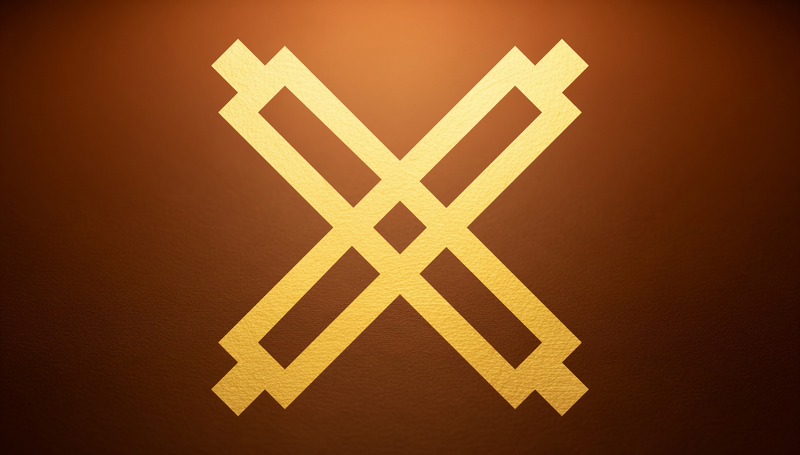
Aban — The Adinkra Symbol of Strength, Authority & the Seat of Power
Search
Results for aban
From the Journal
layer:foundation
layer:perception
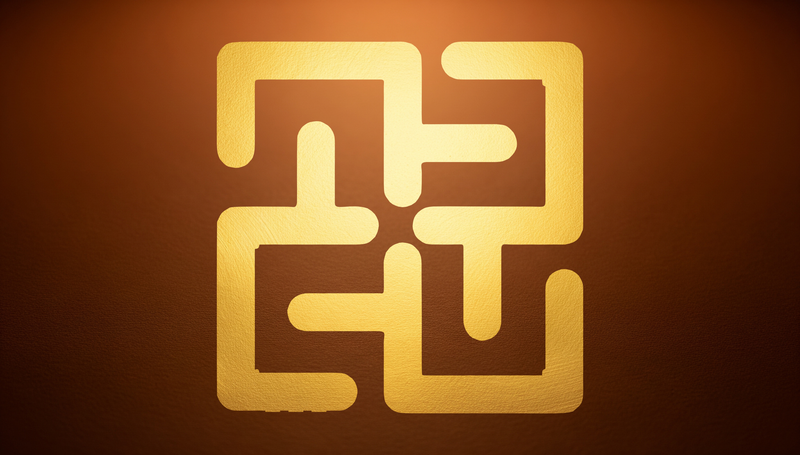
UAC Nkanea — The Adinkra Symbol of Technological Advancement & Social Change
layer:action
Okodee Mmowere — The Adinkra Symbol of Strength, Courage & the Talons of the Eagle
adaptability-identity
Mmere Dane — The Adinkra Symbol of Change & Time
Mmere Dane means time changes. Not as a comfort — as a statement of fact with direct implications for how you live. In Akan thought, the appropriate response to impermanence is not resignation but adaptability: the capacity to hold what matters while adjusting how you pursue it when the times turn.
adaptability-identity
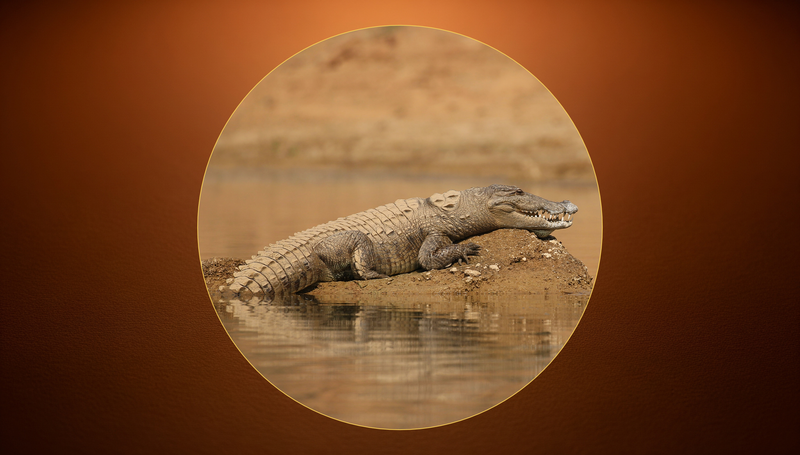
CHANGING FORM.
There is a version of strength that looks like not moving. But the crocodile breathes air and lives in water — fully itself in both worlds. The Akan called this Denkyem: the wisdom of remaining yourself while everything around you shifts.
faith-spirituality
HIDDEN DIRECTIONS.
An ordinary room becomes a map of invisible lives, revealing that what cannot be seen is often what gives a life its deepest meaning. Through Abode Santann, the Akan invite us to recognise the unseen directions we all inhabit.
faith-spirituality
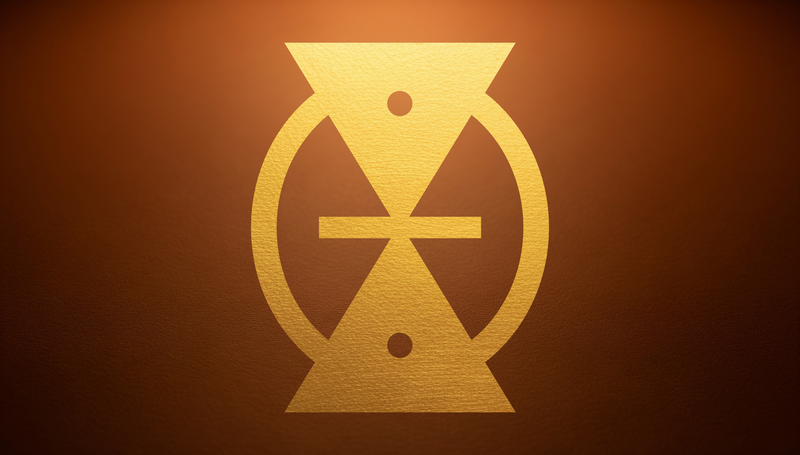
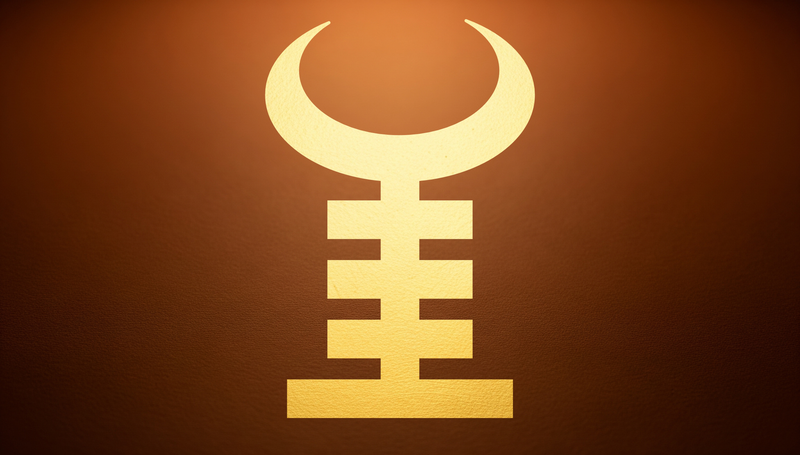
Osiadan Nyame — The Adinkra Symbol of Divine Creation

feminity-self-care
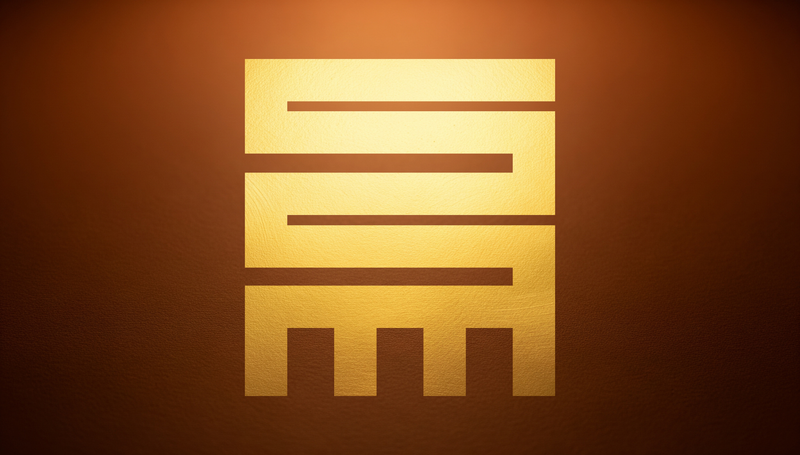
UNEDITED.
There is a version of beauty that is always performing. This is not what the Akan were describing. Mpuannum is the negative space piece — the symbol approached through everything it isn't, until what it is becomes unmistakable: a woman fully at home in herself.
layer:character
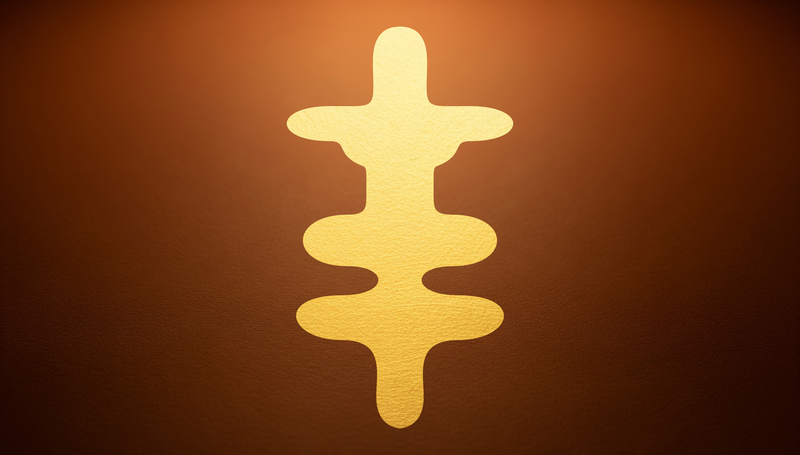
Nkyinkyim — The Adinkra symbol of Adaptability & Dynamism
The road is twisted. This is the Akan observation — not a complaint, not a warning, but a plain statement offered as the basis for a practical instruction: if the road is twisted, learn to twist with it. Nkyinkyim is the symbol of that learning — the continuous, purposeful, unhurried turning that gets you where you are going by the path the road actually makes available. Adaptability not as the abandonment of purpose, but as its most intelligent expression.
character-self-awareness
AUTOPILOT.
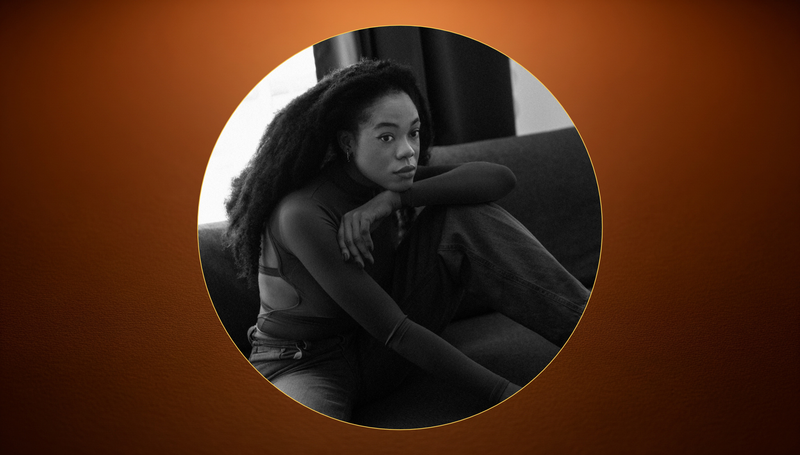
Most of us don't wake up one day and choose the wrong life. We simply keep repeating yesterday until it begins to feel inevitable. Through the Akan symbol Asetena Pa, this essay explores the quiet practice of returning to a life that still feels like your own.
individuality-development
Mako — The Adinkra Symbol of Individuality & the Unevenness of Experience

layer:protection
Fihankra — The Adinkra Symbol of Safety & Community

layer:character
ONE MORE BREATH.
The heart symbol appears across cultures — but the Akan meaning runs somewhere surprising. Akoma is not primarily about love. It is about patience: the discipline of feeling everything and choosing your response anyway.

layer:identity
SOMEONE ELSE'S.
Modern life gives us endless examples of who to become. Nkrabea offers a quieter invitation: stop asking which life looks most impressive, and begin asking which one is truly yours.

faith-spirituality
LOOKING UP.
Hope does not require that the content be visible. It requires that the location be certain. Nyame Biribi — the Akan symbol of hope and divine providence — is four words that carry an entire posture toward the future: not what is coming, but where it is held, and who is holding it.
faith-spirituality
ALIVE.
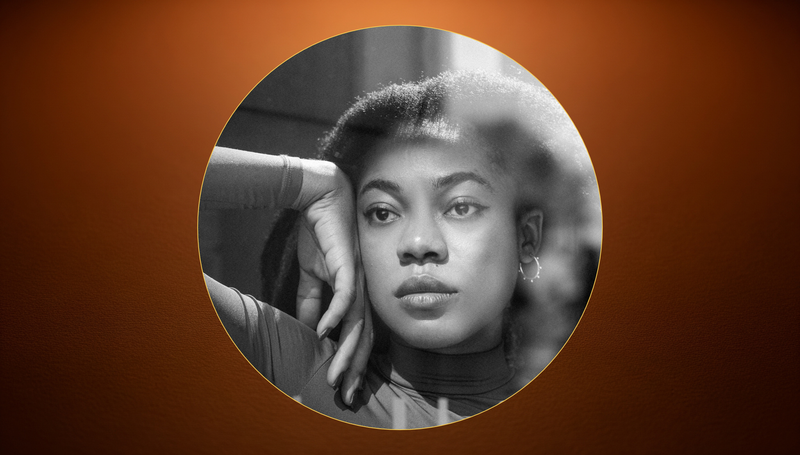
Most of us know when someone's spirit has gone quiet, even if we cannot explain how. The Akan gave that invisible quality a name—and understood that it could be nourished, neglected and quietly restored.
faith-spirituality
Nyame Baatanpa — The Adinkra Symbol of Divine Care
layer:foundation
THE CENTRE.
Among the Adinkra symbols, there is one from which the geometric logic of many of the others is held to derive. It is not the largest or the most elaborate. It is three concentric circles, and the relationship between them. This is Adinkrahene — the centre that generates rather than commands, whose influence is invisible precisely because it is foundational.

layer:relationship
THE BOND.
Is there someone in your life who makes you more yourself? Osram Ne Nsoromma — the moon and the star — is the Akan symbol for love, faithfulness and the harmony between two things that were always meant to share the same sky. It doesn't celebrate the beginning of love. It celebrates something rarer and more quietly profound: the bond that has survived enough to earn the name faithful.

layer:perception
STAYING WHOLE.
The Akan had a symbol for the person who doesn't just survive change — but who is made more themselves by it.

faith-spirituality
YOU ARE HELD.
Nsoromma means child of the heavens. The Akan did not say you are watched over when you are worthy of it. They said: you are held. Already. Without conditions. This piece follows one ordinary day and the question the symbol keeps asking inside it.

layer:protection
ROOT ACCESS.
Modern life asks us to be constantly available. Through the Akan symbol Eban, this essay explores why protecting our attention, relationships and inner life may be one of the deepest forms of love.

identity-heritage
Adinkra 101.
Adinkra symbols are one of Africa's most sophisticated visual languages. Here's what they mean, where they came from, and why they still matter today.

layer:perception
SANKOFA.
The Akan did not believe that moving forward meant leaving the past behind. Sankofa — the bird that flies forward while looking back — says you can still go back for what you set down too soon. A language. A practice. A part of yourself. It is not wrong to fetch it.