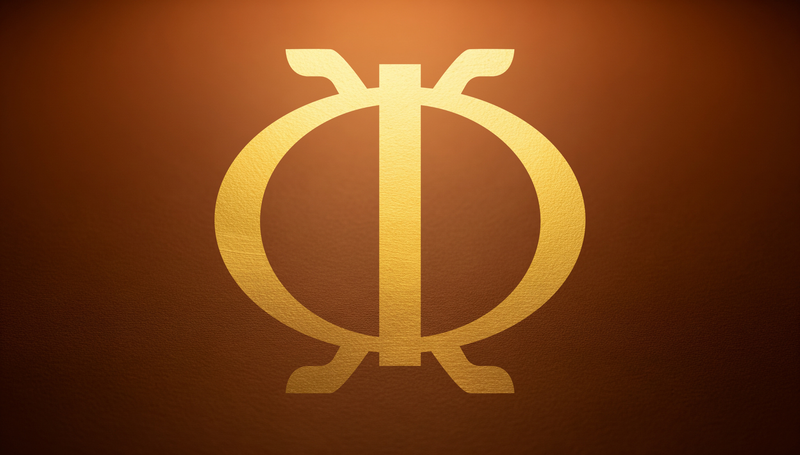
The seed of the wawa tree is one of the hardest in the West African forest. That hardness is not incidental — it is produced by the conditions that the seed must survive before it can germinate and grow. The Akan people of Ghana looked at this and drew a conclusion: the difficulty does not prevent the growth. It creates the conditions in which the growth, when it comes, is strong enough to matter. Wawa Aba is the symbol of that process — hardness as preparation, not damage; adversity as the thing that makes you what you needed to become.
Results for wawa aba


Pressure is usually treated as something to escape. But the Akan saw something different. In the remarkable hardness of the wawa seed, they recognised that life's greatest pressures do not always destroy us. Sometimes they preserve what matters most until the moment it is ready to grow.


There are things that fire cannot consume. The traditional Akan priests who walked barefoot across hot coals and emerged unburned were not performing a miracle. They were demonstrating a truth about what certain qualities of character and faith produce in a person: something the fire cannot finish. Hye Won Hye — that which does not burn. Not a promise that the fire will not come. A statement about what you have become in relation to it. I have been through this. I am still here. The fire did not win.

The fern does not grow where conditions are favourable. It grows where other plants have given up — in rock crevices, in deep shade, in the thin soil at the edge of things. The Akan people of Ghana looked at this and called it not luck but philosophy. Aya, the fern, is the symbol of endurance not as passive suffering but as active, rooted, unheroic persistence — the kind that requires no audience and produces no drama, and simply keeps growing regardless.