

Nyame Dua — The Adinkra Symbol of Divine Presence & God's Protection
Search
Results for nyame dua
From the Journal
faith-spirituality
layer:orientation
Nyame Biribi — The Adinkra symbol of Hope & Divine providence
This is not a prayer made from desperation. It is a prayer made from knowledge. The Akan people of Ghana did not look at the sky and see emptiness — they saw something specific held there, in readiness, by a God who was attentive and present. Nyame Biribi Wo Soro: God, there is something in the heavens — let it reach me. The something already exists. Faith is not creating it. Faith is remaining open to its arrival.
faith-spirituality
Osiadan Nyame — The Adinkra Symbol of Divine Creation
faith-spirituality
Nyame Ye Ohene — The Adinkra Symbol of Divine Majesty & Supremacy
faith-spirituality
Nyame Baatanpa — The Adinkra Symbol of Divine Care
layer:orientation
Gye Nyame — The Adinkra symbol of the Supremacy of The Divine
The Akan people of Ghana arrived at a statement so complete that they pressed it into cloth and wore it: nothing, except God. Not an argument. Not a plea. A simple, settled declaration about the nature of what exists and what presides over it. Gye Nyame is the most widely recognised Adinkra symbol in the world — and its reach is proportional to its precision. Every culture has a version of this claim. The Akan simply had the clarity to give it a name and a form.
faith-spirituality
Nyame Nti — The Adinkra Symbol of Divine Grace, Provision & Faith
faith-spirituality
Nyame Nwu Na Mawu — The Adinkra Symbol of the Immortal Soul
layer:character
Adinkrahene Dua — The Adinkra Symbol of Greatness & Foundation
layer:foundation
Abe Dua — The Adinkra Symbol of the Wealth & Resourcefulness
faith-spirituality
Som Onyankopon — The Adinkra Symbol of Worship & Devotion

faith-spirituality
Mmusuyidee — The Adinkra Symbol of Spiritual Balance & Protection
faith-spirituality
Abode Santann — The Adinkra Symbol of the Universe & Omnipresence of the Divine Creator

faith-spirituality
Onyankopon Adom Nti Biribiara Beye Yie — By God's Grace All Will Be Well
layer:action
Okuafo Pa — The Adinkra Symbol of Diligence & Hard Work
layer:identity
Nserewa — The Adinkra Symbol of Affluence, Wealth, & Sacredness
layer:continuance
Esono Anantam — The Adinkra Symbol of Leadership & Protection
layer:foundation
Asetena Pa — The Adinkra Symbol of Good Living
identity-heritage
Fawohodie — The Adinkra Symbol of Freedom
Fawohodie means independence. But in Akan thought, freedom is never simply the removal of constraint — it is the acquisition of full accountability for everything that follows. The proverb is precise: independence calls for independence in responsibility also. To claim what belongs to you is to own every consequence of that claim.

identity-heritage
Adinkrahene — The Adinkra symbol of Leadership
Among all the Adinkra symbols, one is the source of the others — the geometric logic from which the entire visual language is said to have grown. Three concentric circles. A single point at the centre, and influence radiating outward in perfect proportion. Adinkrahene: chief of the Adinkra symbols. Not the most elaborate. The most generative. The symbol that asks whether you are, in fact, a source.
identity-heritage
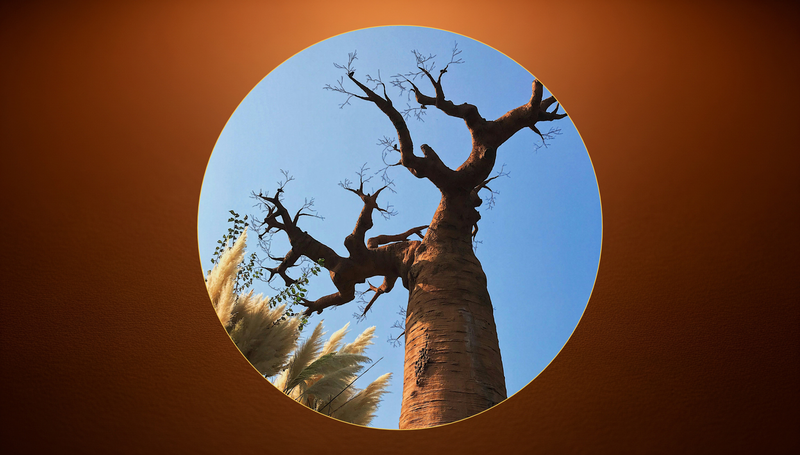
THE KEYS.
The Akan call them mpanyinsem—the words of the elders. These proverbs have travelled through generations, waiting patiently for ordinary moments to reveal just how much life they contain.
symbol:Mpuannum
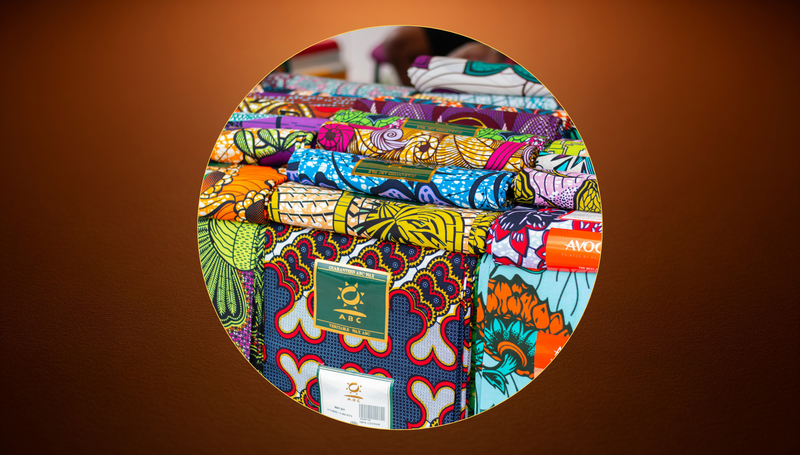
WORN STORIES.
Kente, Mudcloth, Adinkra — African textiles don't just clothe the body, they speak. A short history of the patterns that have carried culture across centuries.